Introduction
Smartphone security has become more important than ever in 2026. With our phones storing personal photos, banking apps, emails, social media accounts, and important documents, protecting them from unauthorized access is essential. While traditional security methods like PINs, passwords, fingerprints, and face recognition remain popular, many users are also interested in exploring voice-based security features.
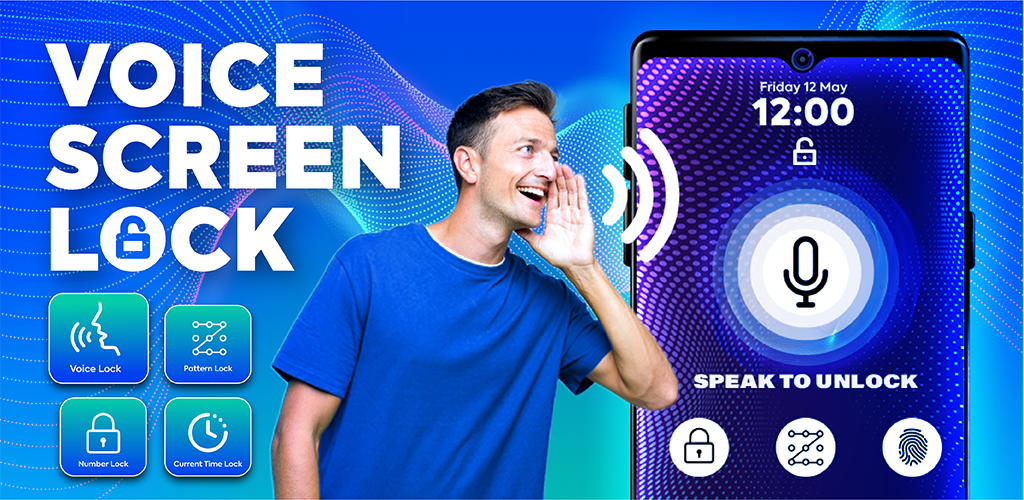
A “Voice Lock” allows you to use your voice as part of the process for accessing your device or a supported application. Some Android devices include voice-related accessibility and authentication features, while some third-party apps offer voice-activated lock screens or app locks. The exact features vary depending on your Android version, phone manufacturer, and the app you choose.
In this complete guide, you’ll learn what a voice lock is, how it works, its advantages and limitations, and how to use trusted apps to add voice-based security to your Android phone.
What Is Voice Lock?
Voice Lock is a security feature that uses your voice as an authentication method for unlocking a device or protected applications. Instead of relying only on a PIN or fingerprint, the system compares your spoken voice with a previously recorded voice sample.
On Android, voice lock experiences vary. Some solutions protect individual apps, while others offer lock-screen functionality through third-party apps. Because voice recognition is not supported as a universal Android lock-screen method on all devices, available features depend on your phone model and software.
Why People Use Voice Lock
Many users like voice-based security because it feels modern and convenient.
Popular reasons include:
- Hands-free access
- Extra layer of security
- Easy setup
- Unique authentication method
- Fun and innovative experience
Although voice recognition can be useful, it is generally recommended to keep a strong PIN, password, fingerprint, or face unlock enabled as your primary security method.
How Voice Recognition Works
Voice recognition technology analyzes characteristics such as:
- Tone
- Pitch
- Speech pattern
- Pronunciation
- Voice frequency
When you speak, the software compares your voice with the enrolled voice profile. If it matches within the app’s accepted threshold, access may be granted.
Environmental noise, illness, or changes in your voice can sometimes affect recognition accuracy.
Can Every Android Phone Use Voice Lock?
Most Android phones can run apps that provide voice-based locking or app protection, provided they support the required Android version and microphone permissions.
Popular Android brands include:
- Samsung
- Google Pixel
- Xiaomi
- OnePlus
- Oppo
- Vivo
- Realme
- Motorola
- Tecno
- Infinix
Feature availability varies by device and app.
How to Set Up Voice Lock
The exact steps depend on the app you use, but the process is usually similar.
Step 1: Choose a Trusted App
Download a reputable voice lock or app lock application from the official app store.
Before installing:
- Read user reviews.
- Check recent updates.
- Review requested permissions.
Step 2: Install the App
After installation, open the application and complete the initial setup.
Step 3: Grant Required Permissions
Many voice lock apps request permissions such as:
- Microphone access
- Accessibility access
- Display over other apps (if needed)
Grant only the permissions required for the app to function.
Step 4: Record Your Voice
Follow the app’s instructions to record your chosen voice phrase.
Speak clearly in a quiet environment for better accuracy.
Step 5: Test Recognition
Repeat the enrolled phrase to ensure the app recognizes your voice consistently.
If accuracy is poor, repeat the enrollment process.
Benefits of Voice Lock
Hands-Free Convenience
You may be able to access supported apps without typing a PIN.
Modern User Experience
Voice recognition adds a unique and futuristic feel.
Easy to Configure
Most apps offer a simple setup process.
Additional Protection
Voice lock can serve as an extra security layer for supported applications.
Accessibility
Some users may find voice interaction easier than entering a password in certain situations.
Limitations of Voice Lock
Voice recognition is useful, but it also has limitations.
Background Noise
Noisy environments can reduce recognition accuracy.
Voice Changes
A cold, sore throat, or other voice changes may affect performance.
Device Compatibility
Not every Android device supports the same voice-based features.
App Differences
Capabilities vary between third-party apps.
Best Practices for Better Voice Recognition
To improve performance:
- Record your voice in a quiet room.
- Speak naturally.
- Keep your microphone clean.
- Update the app regularly.
- Re-enroll your voice if recognition declines.
Protecting Your Privacy
Voice data is sensitive information.
To improve privacy:
- Download apps only from trusted developers.
- Read the privacy policy before using voice features.
- Avoid granting unnecessary permissions.
- Keep your phone updated with the latest security patches.
Common Problems and Solutions
Voice Not Recognized
Possible causes include:
- Background noise
- Low microphone quality
- Voice changes
- Incorrect enrollment
Re-recording your voice often improves results.
App Crashes
Try:
- Updating the app.
- Restarting the phone.
- Reinstalling the application if necessary.
Slow Performance
Close unnecessary background apps and ensure your device has sufficient storage space.
Frequently Asked Questions
Is Voice Lock Better Than Fingerprint?
Fingerprint authentication is generally faster and more widely supported. Voice lock can be a useful additional option but should not replace strong built-in security features.
Is Voice Lock Free?
Many apps offer free versions with basic functionality, while some include optional premium features.
Can Voice Lock Unlock Every Android Phone?
No. Android’s built-in lock screen does not universally support voice unlocking. Voice-based features are typically provided through compatible apps or manufacturer-specific implementations.
Future of Voice Authentication
Artificial intelligence continues to improve voice recognition technology.
Future developments may include:
- Better recognition accuracy
- Improved resistance to spoofing
- Faster authentication
- Enhanced privacy protections
- Smarter integration with Android devices
Voice authentication is expected to become more capable as AI technology advances.
Tips for Better Smartphone Security
For stronger overall protection:
- Use a strong PIN or password.
- Enable fingerprint or face unlock if available.
- Keep your device software updated.
- Install apps only from trusted sources.
- Review app permissions regularly.
- Enable two-factor authentication where possible.
Voice lock works best when combined with these security practices rather than replacing them.
Final Thoughts
Voice lock offers an interesting way to interact with your Android device and can provide an additional layer of convenience for supported apps. While it is not a universal replacement for Android’s built-in lock-screen security, it demonstrates how biometric technologies continue to evolve.
Choosing trusted apps, understanding their limitations, and maintaining good security habits will help you get the best experience.
Conclusion
Voice lock technology continues to improve in 2026, offering Android users new ways to protect their apps and devices. Although support varies depending on the phone and software, voice-based authentication can be a useful addition to your existing security setup. Combine it with a strong PIN, fingerprint, or face unlock for the best balance of convenience and protection.